
Expert Tips for Maintaining Your Heating System
Keeping your home warm during the cold months is essential, but it requires more than just turning up the thermostat. A well-maintained heating system not only ensures comfort but also enhances energy efficiency and prolongs the lifespan of your equipment. In this blog post, we will explore expert tips for maintaining your heating system, helping you avoid costly repairs and ensuring a cozy environment all winter long.

Understanding Your Heating System
Before diving into maintenance tips, it's important to understand the type of heating system you have. Common types include:
Furnaces: These systems heat air and distribute it throughout your home via ducts.
Boilers: These heat water and distribute steam or hot water through pipes.
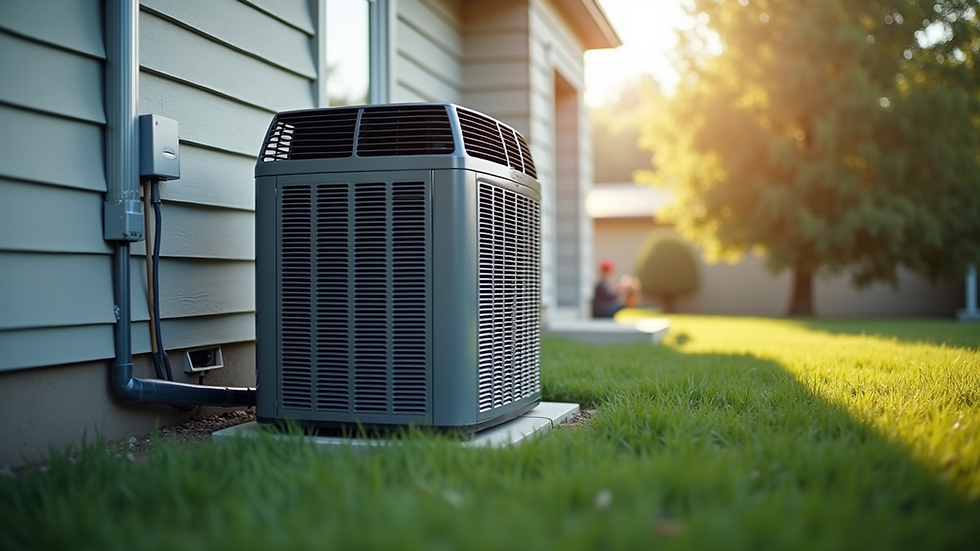
Heat Pumps: These systems can both heat and cool your home by transferring heat from one place to another.
Knowing your system type will help you apply the right maintenance techniques.
Regular Inspections
One of the most effective ways to keep your heating system running smoothly is through regular inspections. Here’s how to do it:
Schedule Professional Maintenance
At least once a year, hire a qualified technician to inspect your heating system. They will:
Check for any wear and tear.
Clean components to ensure optimal performance.
Identify potential issues before they become major problems.
DIY Inspections
In addition to professional maintenance, you can perform some simple checks yourself:
Inspect Filters: Check your air filters monthly. If they are dirty, replace them to improve airflow and efficiency.
Look for Leaks: Inspect ductwork for any signs of leaks or damage. Sealing these can improve efficiency significantly.
Cleaning Your Heating System
A clean heating system operates more efficiently and lasts longer. Here are some cleaning tips:
Change or Clean Filters
Dirty filters restrict airflow, making your system work harder. Depending on your system, you may need to:
Replace disposable filters every 1-3 months.
Clean reusable filters according to the manufacturer's instructions.
Clear the Area Around Your System
Ensure that the area around your heating unit is free from debris and clutter. This allows for proper airflow and reduces fire hazards.
Optimize Thermostat Settings
Your thermostat plays a crucial role in maintaining a comfortable home environment. Here’s how to optimize its use:
Use Programmable Thermostats
Investing in a programmable thermostat can save you money on energy bills. Set it to lower the temperature when you are not home and raise it before you return.
Regularly Check Settings
Ensure that your thermostat is set to the correct mode (heating or cooling) and that the temperature settings are appropriate for your comfort.
Insulate Your Home
Proper insulation can significantly reduce the workload on your heating system. Here are some areas to focus on:
Attics and Basements
Make sure your attic and basement are well-insulated. This prevents heat loss and keeps your home warm.
Windows and Doors
Check for drafts around windows and doors. Use weather stripping or caulking to seal any gaps.
Monitor Energy Usage
Keeping an eye on your energy consumption can help you identify inefficiencies in your heating system. Here’s how to do it:
Track Monthly Bills
Review your energy bills each month. If you notice a sudden spike, it may indicate a problem with your heating system.
Use Energy Monitors
Consider using energy monitors to track your heating system's performance in real-time. This can help you make informed decisions about maintenance and upgrades.
Upgrade When Necessary
Sometimes, the best maintenance is knowing when to upgrade your system. Here are signs that it may be time for a new heating system:
Age: If your system is over 15 years old, it may be less efficient and more prone to breakdowns.
Frequent Repairs: If you find yourself calling for repairs multiple times a year, it may be more cost-effective to replace your system.
Inconsistent Heating: If some rooms are consistently colder than others, it may indicate that your system is struggling to keep up.
Conclusion
Maintaining your heating system is essential for ensuring comfort and efficiency in your home. By following these expert tips—regular inspections, cleaning, optimizing thermostat settings, insulating your home, monitoring energy usage, and knowing when to upgrade—you can keep your heating system running smoothly for years to come.
Take action today by scheduling your annual maintenance check and implementing these tips to enjoy a warm and cozy home all winter long.

Comments